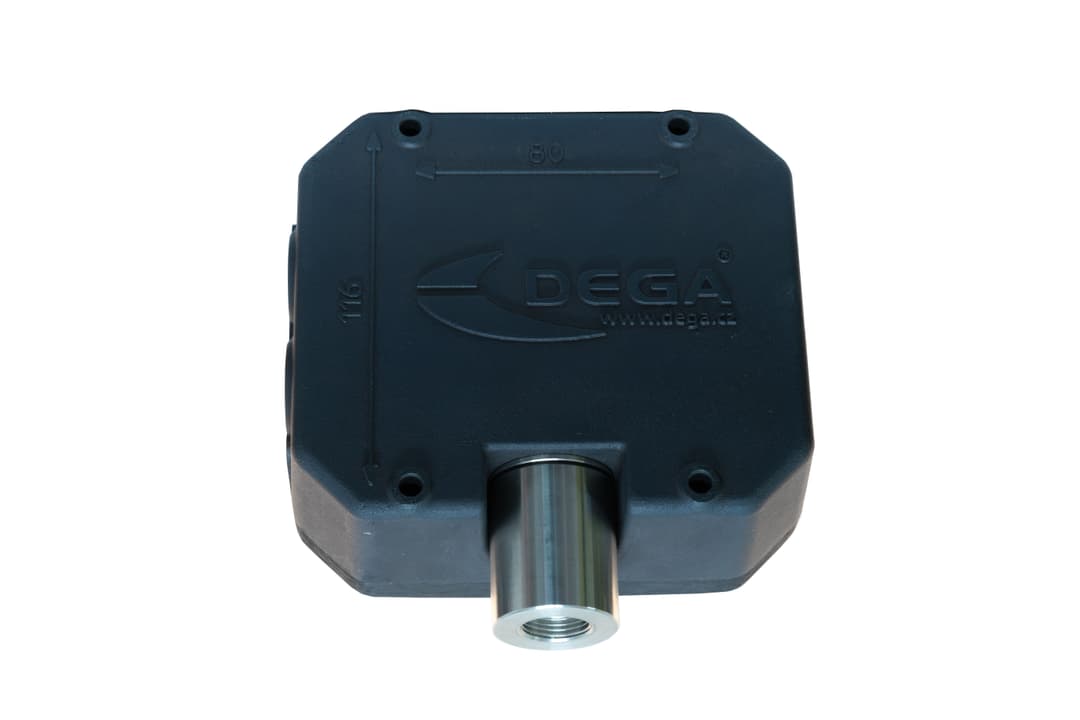
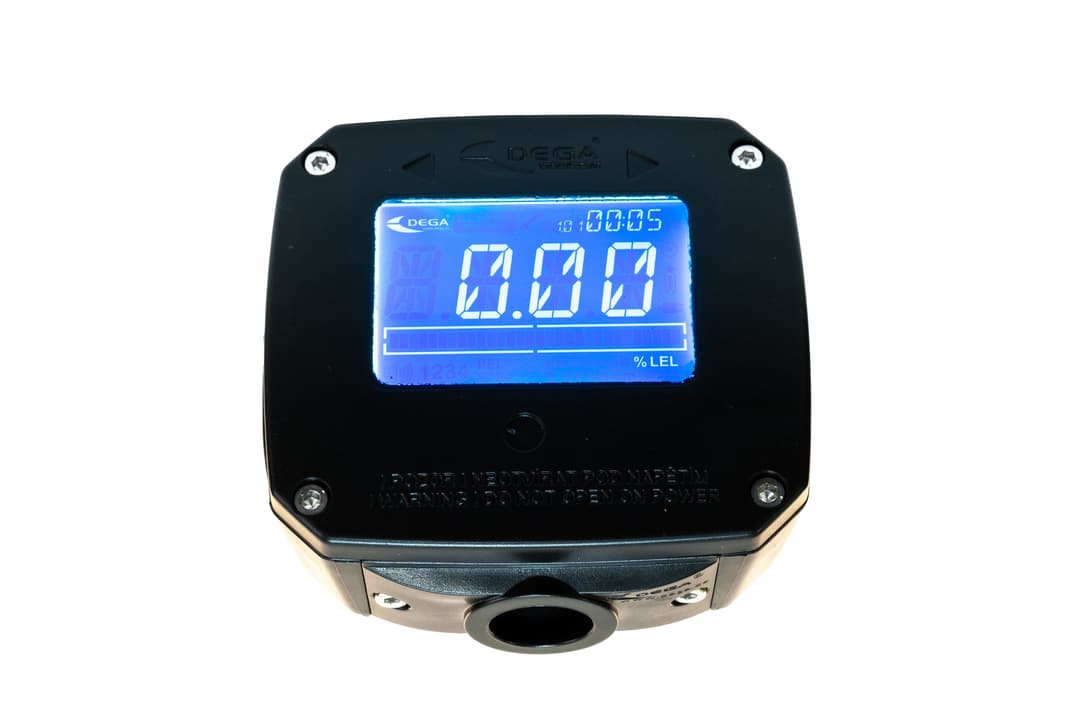
DEGA NS III
Sensors
Gas detector
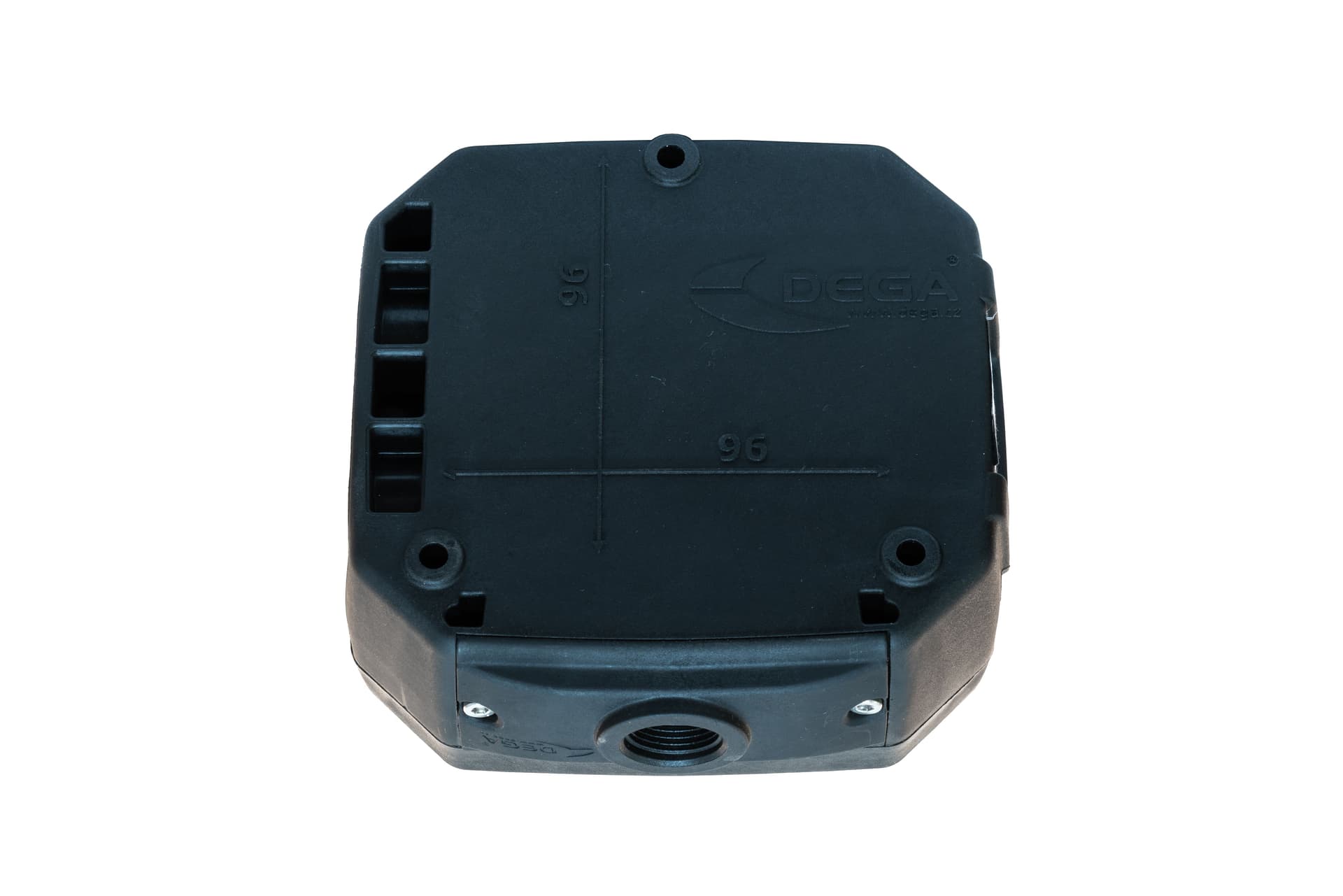
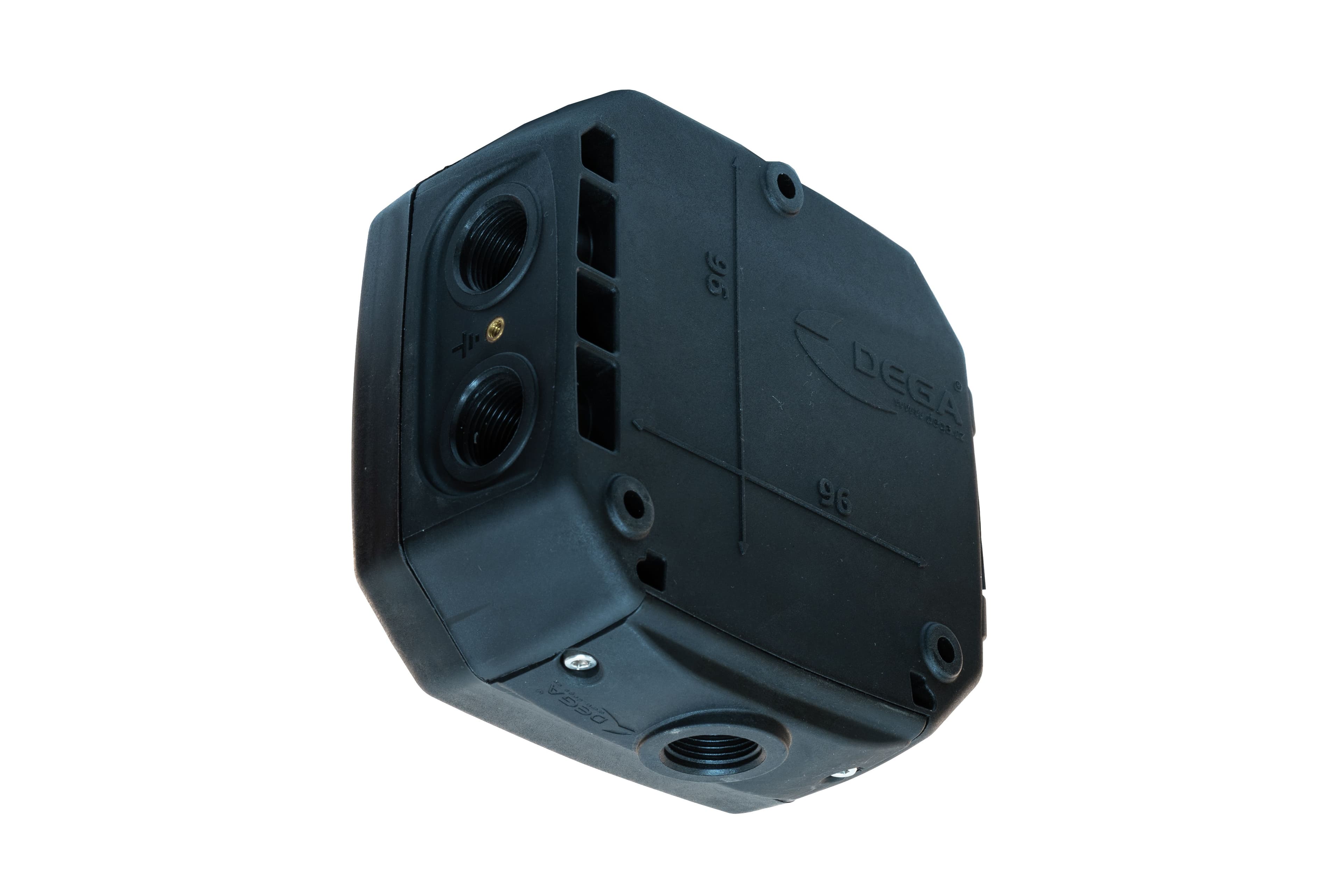
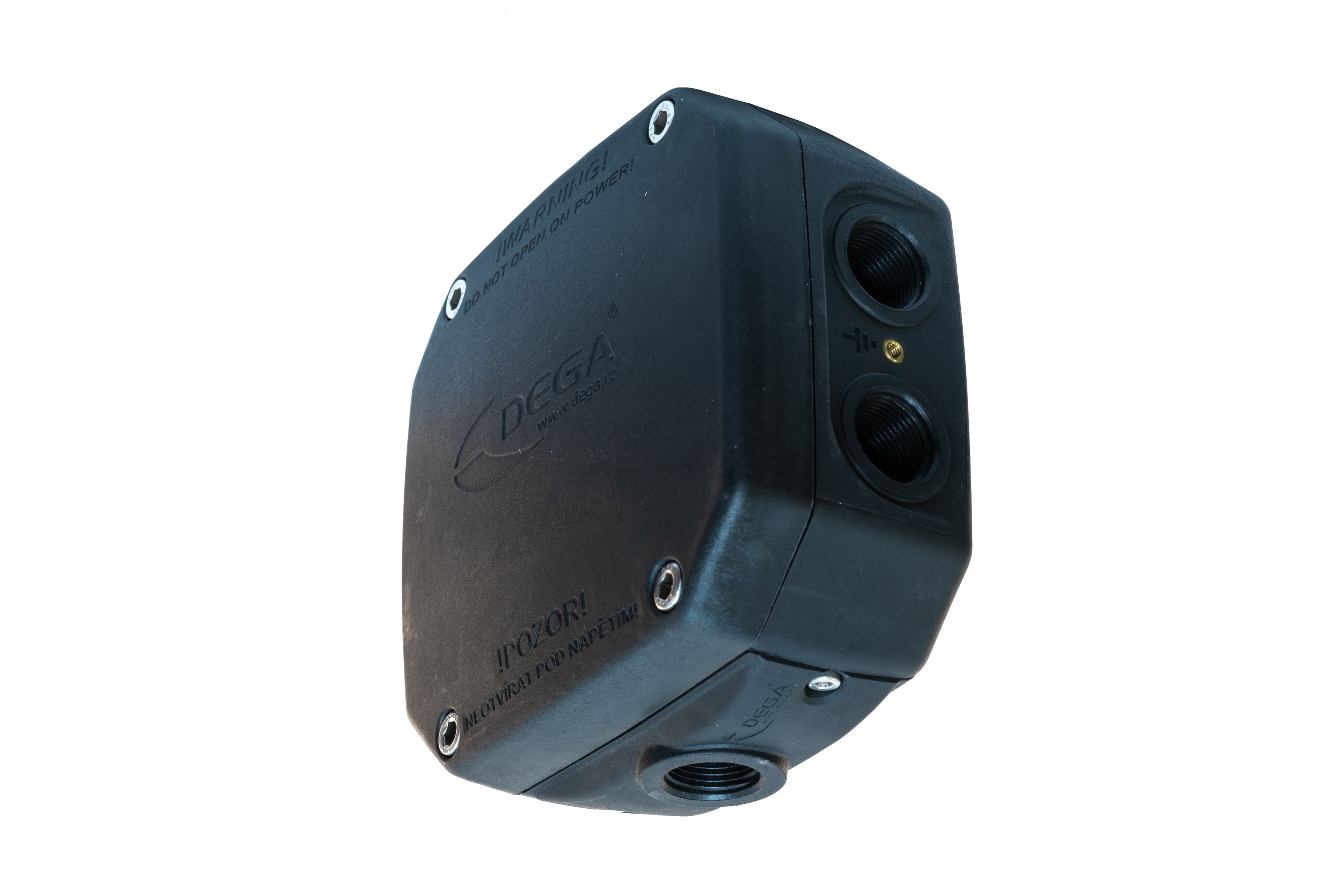
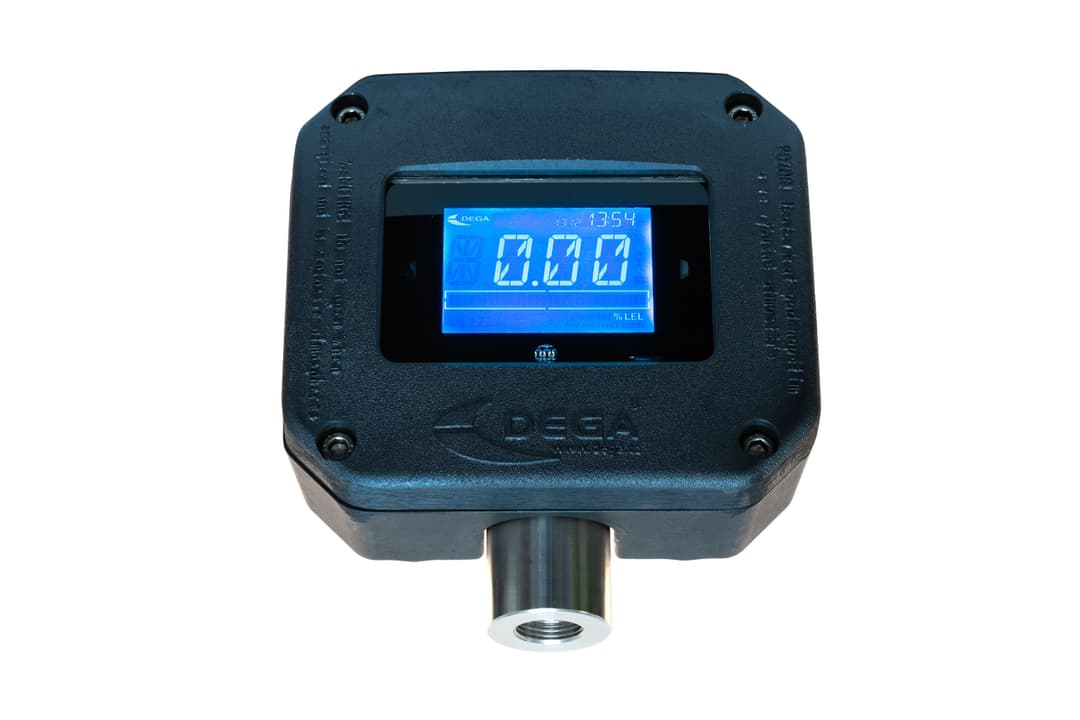
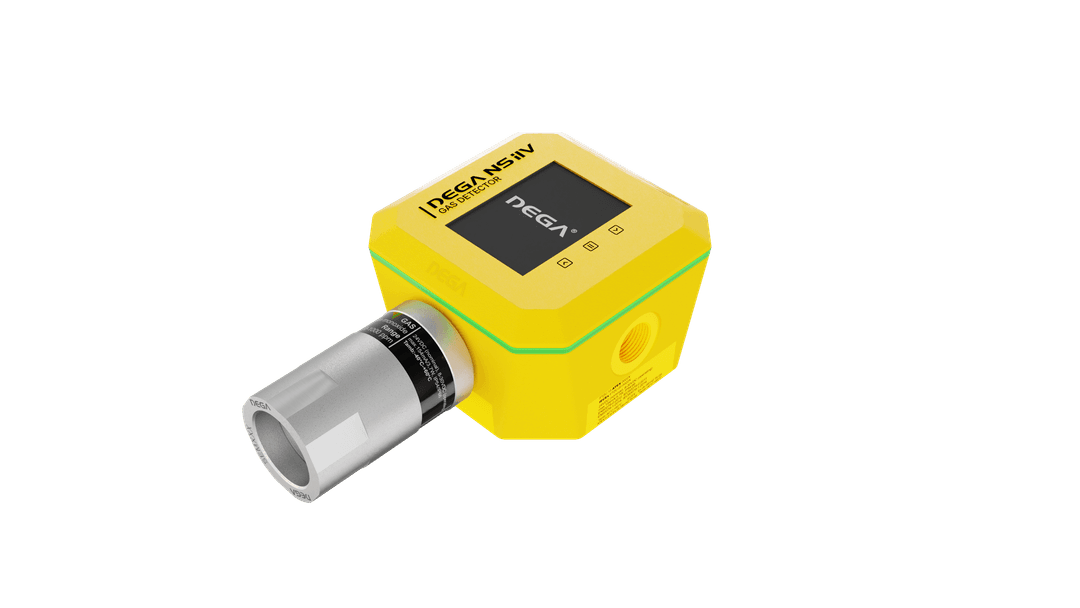
The DEGA NS II sensor is part of a gas detection system and is installed in the monitored area where a critical situation may occur due to the accumulation of flammable or toxic substances, including potentially explosive environments. The sensor converts the measured gas concentration into a standardized 4–20 mA current signal (DEGA UPA III). The sensor can be connected to DEGA UPA III, DEGA UKA III, and DEGA UDA III control units (via RS485 communication).
The sensor is designed for detection in industrial and commercial areas with explosion risk, requiring ATEX certification (Zone 2).
Basic Gas Detection Methods
CL – Catalytic Sensor (Pelistor) These sensors operate on the principle of catalytic combustion. Gas concentration is measured based on the amount of heat released during a controlled combustion reaction. The reaction is supported by a suitable temperature and the presence of a catalyst. Catalytic sensors can detect a wide range of flammable gases and are characterized by a fast response time. For proper operation, they require at least 10% oxygen in the air.
EL – Electrochemical Sensor These sensors operate based on changes in the electrical parameters of electrodes immersed in an electrolyte, caused by oxidation or reduction reactions of the detected gas on their surface. Electrochemical sensors provide good selectivity and are capable of detecting very low concentrations of toxic gases.
IL – Infrared Sensor Infrared sensing is considered one of the most advanced detection methods. These sensors operate based on infrared spectroscopy. They offer excellent selectivity for organic compounds, do not require oxygen in the atmosphere for operation, and are resistant to catalytic poisons (such as sulfur and silicon compounds) that can affect catalytic sensors. They are also known for high stability and long service life.
SL – Semiconductor Sensor These sensors operate based on changes in the electrical conductivity of a semiconductor when the concentration of the detected gas changes. Their advantages include long service life in clean environments and a wide range of applications for various gases and vapors. A disadvantage is low selectivity, meaning the sensor may also react to gases other than those it is calibrated for.
PID – Photoionization Sensor A highly sensitive detection method used to detect a wide range of VOCs (volatile organic compounds). The sensor non-selectively detects all VOCs present in the air, even at very low concentrations (ppm levels).


Sensors
Sensors

Sensors
Sensors
Sensors
Sensors
Sensors
Sensors
Sensors

Sensors
Sensors
Sensors
Sensors
Sensors
Sensors
Sensors
Sensors

Detectors
Sensors
Sensors
Sensors
Sensors
Sensors
Sensors

Sensors
Detectors
Sensors
Detectors

Detectors
Sensors
Sensors
Detectors
Detectors
Sensors
Sensors

Sensors
Detectors
Sensors
Sensors
Sensors
Detectors
Sensors
Sensors
Sensors
Sensors
Sensors
Sensors